Choosing Third Party Inspection Companies: Your Guide to Reliable Product Quality
Oct 07,2025
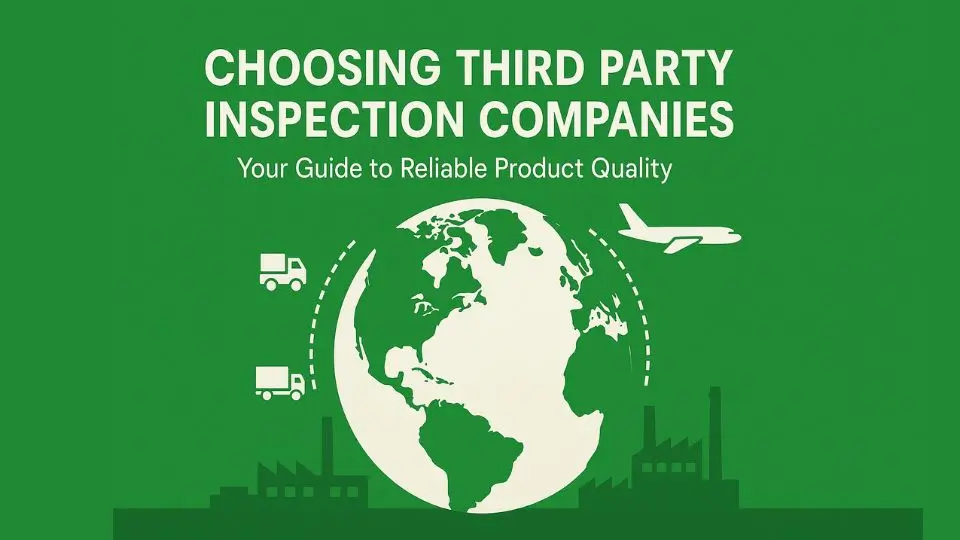
In today’s global manufacturing environment, supply chains stretch across continents. A single product might have components sourced from three different countries, assembled in a fourth, and sold in a fifth. While this interconnectedness enables efficiency and scale, it also creates new risks — inconsistent product quality, missed deadlines, and compliance failures.
That’s where Third Party Inspection Services come in. Whether you’re a brand owner, importer, or e-commerce entrepreneur, choosing the right inspection partner can make the difference between smooth operations and costly setbacks.
This guide will walk you through what third-party inspection means, why it matters, and how to select a company that can help you maintain quality, compliance, and customer trust.
What Are Third Party Inspection Services?
Third inspection (TPI) refers to an independent evaluation performed by an external organization that’s not involved in the manufacturing or purchasing process. These inspectors act as unbiased quality guardians — verifying that your products meet specifications, industry standards, and regulatory requirements before shipment.
Unlike first-party (performed by the manufacturer) or second-party (conducted by the buyer) inspections, a third-party inspection service provides objectivity. It’s their job to tell you the truth — good or bad — about your product’s condition and conformity.
Typical Functions of Third Party Inspectors
- Assess production quality at various stages (pre-production, during production, pre-shipment).
- Verify product measurements, materials, labeling, and packaging.
- Conduct on-site factory audits and social compliance checks.
- Test product performance and safety.
- Provide photographic and written inspection reports for decision-making.
While manufacturers may see this as an extra step, experienced importers view it as a safeguard — an investment that prevents bigger losses later.
Why Third Party Inspections Matter More Than Ever?
The global manufacturing landscape is fast, fragmented, and sometimes unpredictable. Quality lapses can snowball into negative reviews, recalls, and reputation damage. For growing brands and enterprises alike, reliable product quality is non-negotiable.
Here’s why third-party inspection services are becoming essential rather than optional:
1. Quality Assurance Across Borders
When your supplier is thousands of miles away, physical oversight becomes nearly impossible. A trusted inspection company acts as your “eyes and ears” on the factory floor, ensuring products align with your expectations before they ever leave the country of origin.
2. Early Detection = Cost Reduction
Catching defects during production is far cheaper than discovering them after shipping. TPIs can conduct in-process inspections to identify problems early — saving you from expensive rework, airfreight returns, or product recalls.
3. Compliance with International Standards
Different markets have distinct quality and safety standards — CE, ISO, ASTM, CPSIA, or REACH, just to name a few. Professional inspectors understand these regulations and help ensure your goods comply, avoiding border seizures or fines.
4. Risk Mitigation and Transparency
Unannounced inspections or factory audits can reveal process weaknesses, unauthorized subcontracting, or ethical issues. Transparency builds trust between you, your supplier, and your customers.
5. Brand Reputation Protection
A single batch of faulty products can erode brand trust built over years. Inspection services provide consistent oversight, helping you maintain the high quality your customers expect.
Types of Third-Party Inspections
To choose the right provider, it’s important to understand the different types of inspections available. Each stage of production offers unique insights and control points.
1. Pre-Production Inspection (PPI)
Conducted before mass production begins, PPIs verify raw materials, components, and factory readiness. This step ensures that inputs meet your specifications and that production will start on solid footing.
2. During Production Inspection
Performed when about 20–80% of production is complete, this inspection checks in-progress items for consistency and quality. It allows corrections before defects multiply, reducing waste and delays.
3. Pre-Shipment Inspection (PSI)
The most common inspection type — a final verification before products are packed and shipped. Inspectors check sample units against approved specifications to confirm the goods meet your standards.
4. Container Loading Check (CLC)
At shipment, inspectors verify that the correct products and quantities are being loaded securely and safely. This minimizes the risk of damage, mix-ups, or missing goods during transit.
5. Factory and Social Audits
Beyond product quality, brands increasingly care about ethical production. Third-party auditors assess a facility’s working conditions, safety, environmental practices, and labor compliance.
Each service can be used independently or combined for a comprehensive quality-assurance strategy.
How to Choose a Reliable Third Party Inspection Company?
Selecting the right inspection partner isn’t about finding the cheapest option — it’s about finding the most trustworthy and capable one. Here’s what to look for.
Accreditation and Industry Expertise
Reputable inspection firms hold accreditations such as ISO/IEC 17020, demonstrating competence and impartiality. Experience within your specific product category (e.g., textiles, electronics, furniture) also matters — inspection standards vary widely by industry.
Geographic Presence
Choose a company with offices or inspectors near your suppliers. Local presence ensures faster scheduling, cultural understanding, and reduced travel fees. Many global providers maintain networks across Asia, Europe, and the Americas.
Transparent Reporting
Ask to see a sample inspection report. A good one should include detailed checklists, measurement results, photographs, and clear pass/fail conclusions. Transparency in documentation reflects integrity in service.
Communication and Responsiveness
Time zones and language barriers can complicate international business. A responsive team that communicates clearly, provides updates, and explains findings in plain English is invaluable.
Technology and Data Access
Modern inspection companies often provide online dashboards where you can view inspection results in real time. This digital transparency simplifies decision-making and integrates quality data into your supply chain systems.
Ethical Independence
Ensure the company maintains strict neutrality — inspectors should have no financial interest in your manufacturer. Independence is the cornerstone of credibility in third-party services.
Pricing Transparency
Rates vary depending on product type, location, and inspection scope, but trustworthy firms will provide upfront pricing without hidden fees. Avoid agencies that quote unusually low prices — quality assurance shouldn’t be a race to the bottom.
The Inspection Process
If you’ve never booked an inspection before, here’s what the typical process looks like:
Define Your Requirements: You share product specifications, drawings, AQL (Acceptable Quality Limit) levels, and checklists with the inspection company.
Scheduling and Coordination: The company contacts your supplier to confirm timing and access.
On-Site Inspection: Inspectors visit the factory, review samples, conduct measurements, and record results using standardized tools.
Reporting and Feedback: You receive a detailed report — often the same day — outlining any non-conformities and photos of findings.
Decision and Follow-Up: Based on the report, you decide whether to approve shipment, request rework, or schedule a re-inspection.
This process can be customized for recurring orders or integrated into a larger quality-management program.
The Future of Third Party Inspection Services
As e-commerce and private labeling continue to expand, third-party inspections are evolving beyond traditional factory visits. Today’s inspection services integrate data analytics, artificial intelligence, and digital reporting to deliver faster insights and predictive quality control.
Trends shaping the future include:
- Remote inspections via live video streaming, reducing travel time and cost.
- AI-assisted image analysis for defect detection.
- Integrated quality dashboards that connect inspection results to supplier performance metrics.
- Sustainability and ESG audits, ensuring ethical production alongside quality control.
- Brands that adopt these technologies gain a competitive edge — combining physical verification with digital intelligence.
Why Choosing the Right Partner Matters?
When you outsource your quality control, you’re entrusting your brand’s reputation to another organization. A reliable third-party inspection partner does more than check boxes — it becomes an extension of your own quality philosophy.
The right company will:
- Understand your brand values.
- Anticipate potential production pitfalls.
- Communicate findings clearly and quickly.
- Help you make confident shipping decisions.
- Think of them as your strategic ally in building trust with your customers.
Conclusion
Quality isn’t a one-time task, it’s a continuous process of verification, improvement, and partnership. In a world where products travel across oceans before reaching consumers, Third Party Inspection Services provide the bridge between manufacturer and market, between intention and execution.
By choosing the right inspection company — one that’s independent, experienced, and transparent, you not only protect your investment but also elevate your brand. Because reliable product quality isn’t just about meeting standards, it’s about exceeding expectations, consistently.
--- END ---
Products
Get A Free Quote
Related Blogs

 December 31,2025
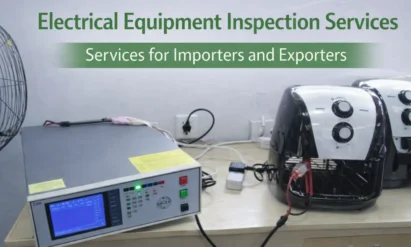
QCC SAMPLE REPORT
For sample reports or custom checklists, please contact us – we're here to assist you.