Blog

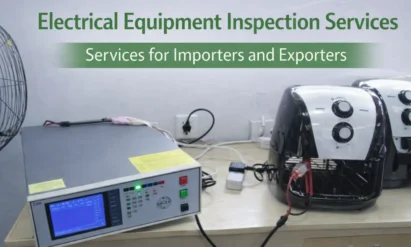
Trust our expert team of highly experienced inspectors to thoroughly inspect your products before shipment, minimizing risks and ensuring compliance with international standards.

Quality and Safety in Electrical & Electronic Products: Your Guide to Inspection Services

Nov 28,2025

Inspection Services

Electrical and electronic products have become an indispensable part of daily life. From smart home devices and kitchen appliances to industrial control systems and renewable energy components, modern society relies on electronics in virtually every sector.

This dependence brings with it higher expectations and greater risks. A faulty circuit, an unstable power board, or a poorly assembled component can lead to fire hazards, electric shocks, equipment failures, consumer dissatisfaction, and even costly product recalls.

Therefore, quality control and inspection in the electrical and electronic products industry are not only crucial but also of paramount importance. Whether you are a manufacturer, importer, brand owner, or retailer, ensuring your electronic products meet stringent safety, performance, and regulatory requirements is the cornerstone of your long-term success.

This article will explore the challenges of electrical and electronic product inspection, the key steps in a complete inspection process, and how professional inspection services can help create safer and more reliable electronic products for the global market.

Why Electrical & Electronic Product Inspection Is Essential?

Unlike general consumer goods, electrical and electronic equipment relies on voltage, current, and complex internal components to operate. They are susceptible to hazards that cannot be identified by visual inspection alone.

Here are the key reasons why such products must be tested:

1. Higher Safety Risks

Electric shock hazards, short circuits, overheating, insulation failure, and uncontrolled voltage flow can all lead to serious accidents or fires. These problems often stem from hidden internal defects that can only be detected through thorough testing.

2. Electronic Products Contain Complex, High-Precision Components

A faulty resistor or poorly soldered joint can cause the entire product to fail. Defects are not always visible to the naked eye, and poor quality control at the component level often leads to subsequent large-scale failures.

3. Must Comply with Global Regulations

Electrical and electronic products must comply with standards such as UL, CE, FCC, RoHS, and REACH, depending on the target market. Non-compliance can result in rejected goods, customs fines, or even a full product recall.

4. Increasingly Globalized Supply Chains

Many companies source products from multiple factories in multiple countries. Without inspection, it is virtually impossible to guarantee that the final assembled product will consistently meet specifications.

5. Brand reputation depends on product reliability

Even a single defective batch can damage consumer trust. Continuous testing protects your brand image and reduces after-sales issues.


Key Challenges in Inspecting Electrical & Electronic Products

Inspection for electronics is more complicated than checking textiles, toys, furniture, or general household goods. This category presents several industry-specific challenges that require experienced inspectors and robust testing procedures.

1. Components Are More Complex and More Fragile

Modern electronics involve:

  • microchips
  • PCBs
  • sensors
  • wiring harnesses
  • capacitors
  • transformers
  • embedded software

Any of these systems can fail due to poor assembly, unstable sourcing, or environmental sensitivity. Electronics often require non-destructive testing, specialized tools, and deep technical understanding to evaluate properly.

2. Hidden Defects Are Common

Unlike visible scratches on furniture or packaging damage, many defects in electronics hide beneath the surface:

  • Broken solder joints
  • Cold soldering
  • Microcracks in PCB layers
  • Loose internal wiring
  • Unstable firmware behaviour
  • Insulation breakdown

These invisible issues cause intermittent failures, one of the hardest types of product problems to detect without professional inspection.

3. Safety Standards Continue to Evolve

Electrical safety standards tighten every year, especially in regions like the EU and North America. Keeping up with changes requires constant training, updated checklists, and specialized tools. Requirements include:

  • Insulation resistance testing
  • Earth continuity testing
  • Current leakage measurement
  • High-voltage (Hi-Pot) testing
  • Thermal performance checks

Devices that pass old standards may fail under new ones if factories are not monitored carefully.

4. Batteries Add an Extra Layer of Risk

Lithium-ion batteries, common in smartphones, smart devices, and power tools are sensitive components. Manufacturing errors can lead to swelling, overheating, or combustion.

Inspection is essential for verifying:

  • protection board integrity
  • correct wiring polarity
  • secure battery housing
  • temperature stability
  • proper charging performance

Given the number of high-profile battery-related recalls in recent years, thorough testing is no longer optional.

5. Inconsistent Supplier Quality

When a single product contains components from 5–10 suppliers, inconsistency becomes a real risk. Raw material quality, assembly conditions, and worker skills vary widely between factories. Inspection helps unify quality across a fragmented supply chain.

What a Complete Electronics Inspection Program Includes?

A complete inspection procedure for electrical and electronic products typically comprises four interconnected phases, each building upon the previous one to ensure products meet the highest quality and safety standards.

The process begins before production, where inspectors assess the factory’s production capacity, equipment condition, and quality management system. This early assessment verifies that suppliers can meet the required specifications and helps identify potential risks before mass production begins.

Once the production line is up and running, the inspection procedure moves into the in-production inspection phase. At this stage, inspectors closely monitor the assembly process, from PCB soldering and wiring layout to component placement and testing equipment calibration. Identifying defects during production helps manufacturers correct problems early, preventing large-scale failures and reducing waste.

After production is complete, inspectors conduct a final random inspection (FRI) of the finished products. This assessment includes functional testing, electrical safety checks, appearance and structural evaluation, necessary stress testing, and a comprehensive review of packaging and labeling. The goal is to confirm that the product meets performance standards, safety regulations, and market expectations before shipment.

The final phase is container loading inspection, designed to verify that the cargo is securely loaded and properly handled during transport. Inspectors ensure the correct quantity is loaded, that cartons are protected against moisture and impact, and that pallets are placed securely. Even flawless products can be damaged due to improper loading, making this step crucial for preventing damage during transport.

These four stages together form a comprehensive inspection framework, ensuring product quality from the start of production until the goods leave the factory.

How Professional Inspection Services Strengthen Your Electronics Supply Chain?

Although internal factory quality-control teams play an important role, independent inspection provides objectivity, experience, and global consistency that manufacturers cannot always achieve on their own.

Here’s how professional inspectors elevate your product quality:

Unbiased Evaluation

They work for you—not the factory—and provide honest reporting backed by photos, data, and testing results.

Technical Expertise

Inspection engineers understand electronics, wiring, circuitry, and global standards, allowing them to detect issues early.

Customized Checklists

Electrical and electronic products vary significantly, so inspection criteria are tailored to the product type.

Global Coverage

For brands managing factories across China, Southeast Asia, India, and other regions, inspection teams ensure consistent quality regardless of where production occurs.

Cost Savings

Catching defects early reduces returns, warranties, and recalls, protecting profit margins.

While inspection companies like QCC Inspection are widely trusted by global buyers, the most important takeaway is that a professional third-party team provides the technical depth and neutral oversight needed in today’s electronics supply chain.

Best Practices for Boosting Quality in Electrical & Electronic Products

Manufacturers and importers can reduce risk significantly by adopting the following strategies:

Standardise Supplier Requirements: Provide every supplier with detailed specifications, testing requirements, AQL levels, and compliance criteria.

Audit Factories Regularly: Periodic audits ensure production consistency, equipment upkeep, and proper handling of components.

Implement Strict Incoming Material Checks: This includes verifying PCB batches, connectors, microchips, and wiring components before assembly begins.

Use Data to Drive Improvement: Tracking defect trends helps identify root causes, supplier issues, or assembly line weaknesses.

Prioritize Electrical Safety Testing: Every product that plugs in or charges must undergo insulation, grounding, and leakage-current tests.

Monitor Battery Handling Closely: Thermal performance, charge/discharge behavior, and protection circuits should be validated thoroughly.

Protect Components During Transportation: Moisture, static electricity, and shock can damage sensitive parts.

Following these best practices significantly improves product reliability and overall quality.

Concluison

Electrical and electronic product inspection is more than just a standard procedure; it’s a critical measure for ensuring consumer safety, brand protection, compliance, and long-term profitability.

As supply chains expand and product complexity increases, inspection has become the first line of defense against hidden defects, unstable components, and high failure rates.

Professional third-party inspection services, such as QCC Inspection teams, play a vital role in identifying risks, ensuring product consistency, and providing the technical oversight required for modern electronics manufacturing.

Whether you’re sourcing home appliances, industrial electronics, smart consumer devices, or high-tech components, comprehensive inspection ensures that every product shipped reflects your commitment to quality and safety.

--- END ---

Get A Free Quote

    Need a quote for your project?

    Please fill out the form below and we'll contact you as soon as possible.

    Fields marked with an * are required

    Name *

    Email *

    Your Products *

    Your Country *

    Message *

    QCC SAMPLE REPORT

    For sample reports or custom checklists, please contact us – we're here to assist you.

    Copyright © 2025 QCC All Rights Reserved.

      Need a quote for your project?

      Please fill out the form below and we'll contact you as soon as possible.

      Fields marked with an * are required

      Name *

      Email *

      Your Products *

      Your Country *

      Message *

        Get A Sample Report

        Please fill out the form below and we'll contact you as soon as possible.

        Fields marked with an * are required

        Service Type *