Hardline Product Inspection: A Strategic Guide to Quality and Compliance
Dec 08,2025
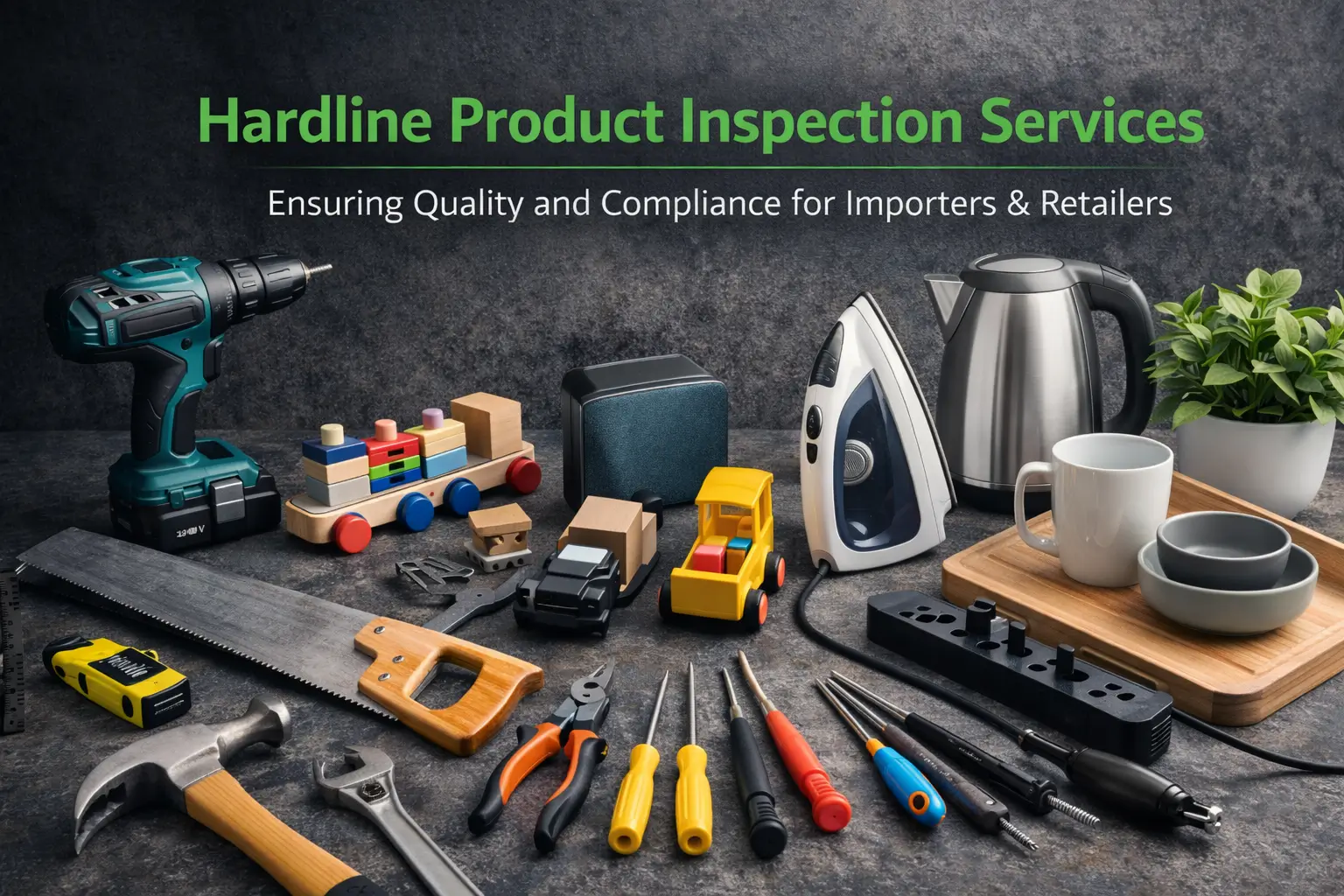
Inspection services for durable consumer goods are a critical component of quality assurance. Importers and retailers in the EU and the US rely on these inspections to confirm that products sourced globally meet quality expectations and regulatory requirements before entering the market.
This guide will explain what durable consumer goods are, the importance of inspection, common quality and safety risks, the inspection process, key compliance standards, and how to select a reliable inspection service provider.
What Are Hardline Products?
Hardline products, also known as hard goods, are non-textile consumer goods made from rigid materials such as metal, plastic, wood, glass, or ceramics. These products are designed for repeated or long-term use and generally emphasize functionality, durability, and safety.
Typical hardline categories include furniture and homewares, tools and hardware, toys and sporting goods, electronics and small appliances, as well as personal care devices and other household items.
Compared with softline products like apparel or textiles, hardlines involve more complex structures, multiple materials, and mechanical or electrical components. As a result, they present a wider range of potential quality and safety risks, making inspection especially important.
Why Hardline Product Inspection Matters?
Hardline product inspection is essential for protecting consumers and minimizing business risk. Inspections help identify safety hazards such as sharp edges, unstable structures, loose components, or electrical defects before products reach the market.
They also play a key role in regulatory compliance. In the US and EU, hardline products must meet strict safety and labeling requirements. Inspections help verify compliance and reduce the risk of customs delays, rejected shipments, fines, or recalls.
From a commercial perspective, inspections support consistent product quality and durability, prevent costly returns and rework, and protect brand reputation. Detecting issues at the factory stage is far more efficient and economical than resolving problems after products reach customers.
Common Quality & Safety Risks in Hardline Products
Hard-wire products may have functional defects, such as improper assembly, incorrect sizing, or malfunctioning parts. Cosmetic issues, including scratches, dents, rust, discoloration, or uneven surface finish, can also render a product unsaleable.
Safety hazards are of paramount importance. These include sharp edges, fragments, loose or detachable parts, choking hazards in toys, and instability of large items. Packaging-related issues are also common, including missing accessories, incorrect labeling, mixed packing, or insufficient protection leading to damage during shipping.
In some cases, material-related problems may arise if inferior or substandard materials are used. This can affect product durability and potentially lead to violations of chemical safety regulations; therefore, material verification is a crucial area of focus.
Key Inspection Tests for Hardline Products
A hardline product inspection typically follows a structured checklist tailored to the product type. Inspectors conduct visual checks to assess appearance and workmanship, looking for cosmetic defects and overall build quality.
Functional and safety tests are performed to confirm proper operation and safe use. This may include basic functionality checks, stability testing, sharp-edge assessments, and simple electrical safety checks where applicable. Inspectors also verify dimensions and weight against specifications to ensure consistency with approved samples.
Packaging and labeling are reviewed to confirm correct packing methods, accurate markings, compliant warning labels, and the inclusion of instruction manuals.
Quantity and accessory checks ensure that the correct number of units and all required components are present. Together, these steps provide a clear picture of whether the goods are ready for shipment.
Hardline Standards & Compliance Requirements
Hardline products sold in the US and EU must comply with various safety and regulatory frameworks. Mechanical safety standards address risks such as sharp edges, tip-over hazards, and structural integrity. Children’s products and toys are subject to particularly strict requirements.
Chemical regulations restrict hazardous substances in materials, coatings, and plastics. Products with electrical or electronic components must meet electrical safety and electromagnetic compatibility requirements, often supported by formal testing and certification.
Labeling and documentation are also critical. This includes country-of-origin marking, warning labels, CE marking for the EU, and user instructions in required languages. Inspections help verify visible compliance elements, while laboratory testing is often required to confirm material safety and regulatory conformity.
Choosing the Right Inspection Provider
Selecting the right inspection provider is essential. The provider should have experience with your specific hardline product category and a solid understanding of applicable standards. Qualified inspectors, consistent inspection procedures, and detailed, photo-based reports are key indicators of a reliable service.
Geographic coverage in sourcing regions, clear communication, and independence from manufacturers are equally important. A professional inspection partner acts as your representative on the factory floor, providing objective assessments and helping you manage quality risks effectively.
Benefits of Professional Hardline Inspection Services
Investing in professional inspection services is a key step in securing profits and ensuring long-term market success. These services not only provide simple quality checks but also effectively prevent inventory defects and catastrophic product recalls, avoiding devastating financial damage to the company.
By identifying technical defects at the source, importers can strengthen accountability to suppliers and significantly reduce total cost of quality (TCQ). This proactive approach transforms the supply chain from a source of risk into a reliable growth engine.
Furthermore, expert inspection provides fundamental regulatory assurance. In an era of increasingly stringent safety standards, ensuring that every shipment complies with regulations before leaving the factory is the only way to maintain brand reputation. This rigorous oversight builds deep consumer trust and avoids operational bottlenecks caused by customs delays or rejected goods.
Ultimately, professional and rigorous inspection provides data-driven confidence, helping businesses expand globally without fear of supply chain disruptions.
Common Misconceptions About Hardline Inspection
Some companies believe that inspection is unnecessary if the supplier is trustworthy, or that inspection is too costly. Others believe that if laboratory testing has already been completed, inspection is superfluous. However, inspection is actually a cost-effective risk management tool that can effectively complement supplier relationships and laboratory testing.
While inspection can significantly reduce quality risks, it is conducted within agreed-upon acceptance limits and cannot guarantee absolute perfection. If inspection is consistently and effectively implemented, it can become a routine and important component of a comprehensive quality control strategy.
FAQs
What is the difference between hardline and softline products?
Hardline products are rigid, durable goods such as furniture, tools, appliances, and toys. Softline products include apparel, textiles, and other fabric-based items.
When should hardline inspections be conducted?
Common stages include pre-production, during production, and pre-shipment inspections. At a minimum, a pre-shipment inspection is recommended before goods are released for shipping.
What is AQL and why is it used?
AQL (Acceptable Quality Limit) is a statistical sampling method used to determine whether a production lot meets agreed quality thresholds based on the number and severity of defects found.
Do hardline products require lab testing in addition to inspections?
Yes. Inspections verify workmanship and consistency, while laboratory tests confirm material safety and compliance with regulatory standards. Both are necessary for effective quality control.
Conclusion
Hardline product inspection services are a cornerstone of quality assurance for importers and retailers handling durable consumer goods. By implementing inspections at key stages of production, businesses can reduce defects, ensure compliance, and protect their brand reputation.
For companies supplying the US and EU markets, integrating professional hardline inspections into the supply chain is a practical and strategic investment in long-term success.
--- END ---
Products
Get A Free Quote
Related Blogs

 December 31,2025
QCC SAMPLE REPORT
For sample reports or custom checklists, please contact us – we're here to assist you.